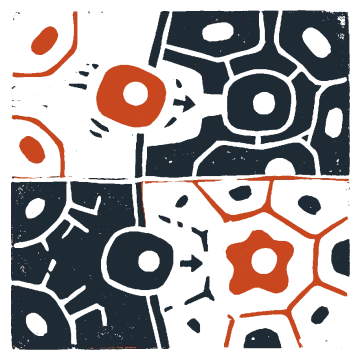
Heterochronic myeloid cell replacement reveals the local brain environment as key driver of microglia aging
Young replacement microglia, the brain's immune cells, aged fast in old brains. Old ones looked young in young brains.

Atlas of the aging mouse brain reveals white matter as vulnerable foci
We profiled 15 mouse brain regions across 7 ages. Glial aging runs faster in white matter than cortex.

CoolMPS for robust sequencing of single-nuclear RNAs captured by droplet-based method
CoolMPS sequencing reproduced standard Illumina results on single-nucleus RNA from young and old mouse hippocampus.
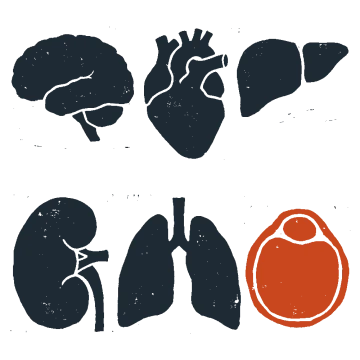
Ageing hallmarks exhibit organ-specific temporal signatures
Organs hit the same aging hallmarks on different schedules. Immune activation shows first in white fat.

A nutritional memory effect counteracts the benefits of dietary restriction in old mice
In 800 mice, stopping dietary restriction at 24 months raised mortality fast. Starting it late helped only weakly.
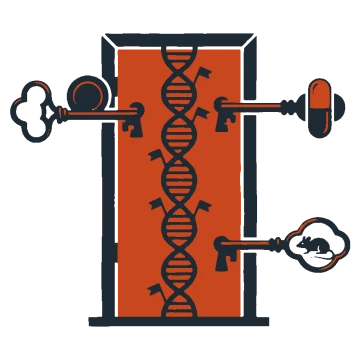
Hepatic gene body hypermethylation is a shared epigenetic signature of murine longevity
Dietary restriction, rapamycin and dwarf genetics each add methylation inside gene bodies in mouse liver.
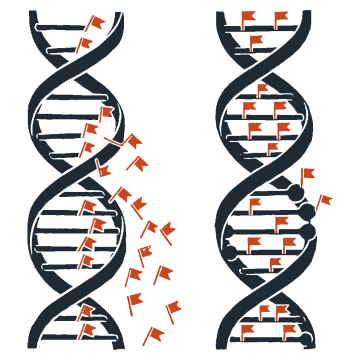
Dietary restriction protects from age-associated DNA methylation and induces epigenetic reprogramming of lipid metabolism
Dietary restriction delayed age-related epigenetic changes in mouse liver and added methylation at lipid genes.
A spatio-temporal brain miRNA expression atlas identifies sex-independent age-related microglial driven miR-155-5p increase
A microRNA atlas of 15 mouse brain regions. miR-155-5p rises with age in both sexes, driven by microglia.
Myeloid cell replacement is neuroprotective in chronic experimental autoimmune encephalomyelitis
Replacing immune cells by transplant improved neurological deficits in a mouse model of multiple sclerosis.
Characterizing expression changes in noncoding RNAs during aging and heterochronic parabiosis across mouse tissues
A noncoding RNA map of 16 organs. miR-29c-3p tracks aging and returns to young levels in liver with young blood.

Ageing-associated changes in transcriptional elongation influence longevity
RNA polymerase speeds up with age in five species. Dietary restriction reverses most of this, and slowing polymerase extends lifespan.
Platelet factors are induced by longevity factor klotho and enhance cognition in young and aging mice
Klotho raises platelet factors in blood. One of them, PF4, improves cognition in young and old mice.

Young CSF restores oligodendrogenesis and memory in aged mice via Fgf17
Young cerebrospinal fluid improved memory in old mice. Fgf17 alone did too.
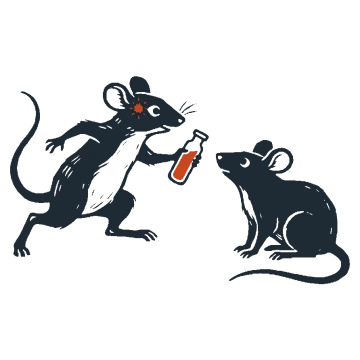
Exercise plasma boosts memory and dampens brain inflammation via clusterin
Plasma from running mice reduced brain inflammation in sedentary mice, through proteins including clusterin.

Dysregulation of brain and choroid plexus cell types in severe COVID‑19
Brains from COVID-19 patients showed no molecular trace of virus but broad changes in barrier cells and microglia.
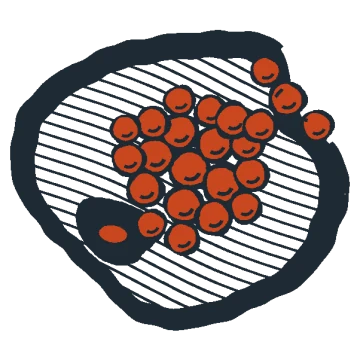
Lipid-droplet-accumulating microglia represent a dysfunctional and proinflammatory state in the aging brain
Microglia fill with lipid droplets as brains age. These cells clear debris poorly and drive inflammation.

A single-cell transcriptomic atlas characterizes ageing tissues in the mouse
A single-cell atlas of aging across 23 mouse tissues and organs.

The Sense of Smell Impacts Metabolic Health and Obesity
Mice that lost smell neurons resisted diet-induced obesity. Losing smell after obesity reduced fat mass.

Inferring causal molecular networks: empirical assessment through a community-based effort
A community challenge scored over 2,000 networks for causal links in cancer cell signaling.
